Trending

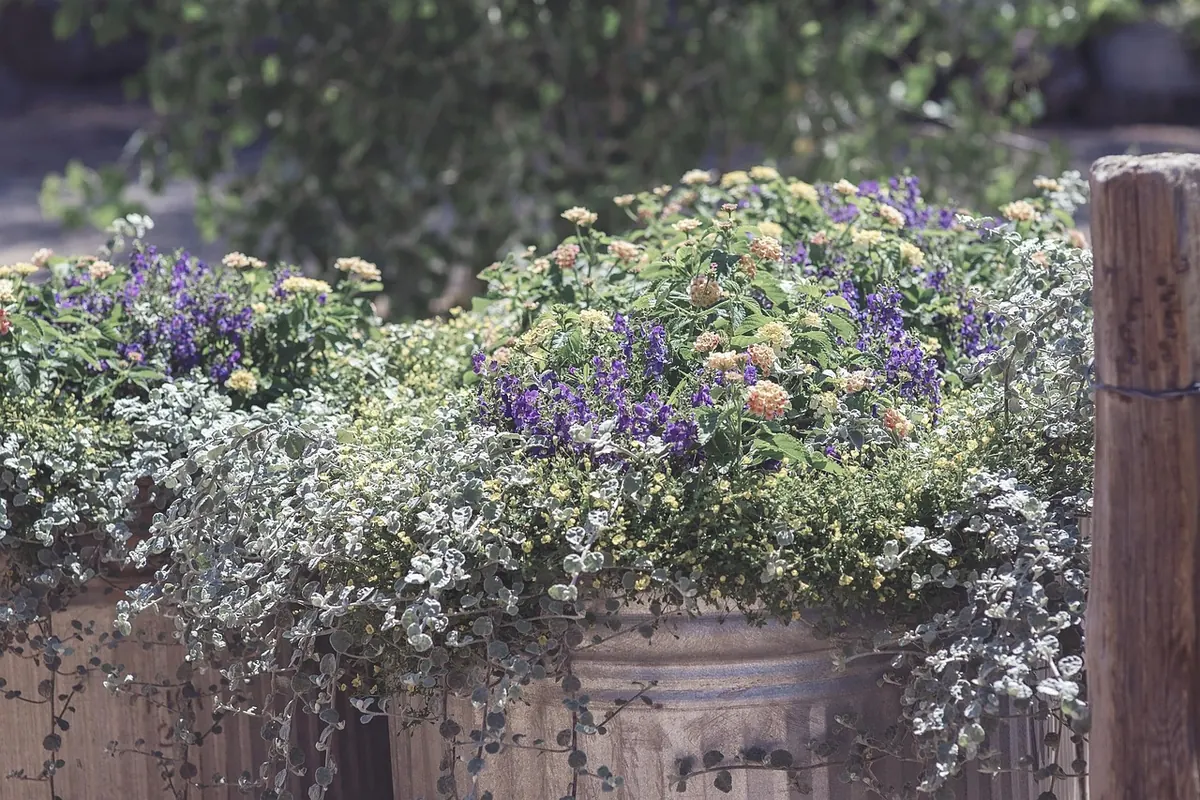
Spring containers are the quickest way to bring a small garden to life. A few pots by the back door, on a windowsill or along a sunny wall will give you colour from March into June, and the whole scheme can be changed in an afternoon.
The plants worth your money are annuals that cope with cold nights, keep flowering without endless fuss, and tolerate the cramped root space of a pot. Ten of the best are below, with the details that really decide whether they thrive: light, water and deadheading.
Spring weather is the test. Warm sunshine one afternoon, a cold easterly wind the next, and frost still possible well into May in many parts of the UK. A good container annual flowers for weeks rather than days, shrugs off a cold snap and carries on without staking or daily attention.
Hardy annuals such as calendula, cornflower and nigella can be sown where they are to flower from March and will take a light frost. Half-hardy types including lobelia and nemesia need protection until the last frost has passed, so buy them as plugs or small pots and keep fleece to hand. Tall, floppy plants are a poor fit for a small pot in a spring wind; save cosmos and tall snapdragons for June.
Before you buy anything, watch the spot for a day. Six hours or more of direct sun means the sunny list; three to six hours suits pansies, primroses and alyssum perfectly well. Deep, all-day shade is genuinely difficult for flowering annuals, so be honest about it: use foliage plants such as ivy and heuchera as the base, then add busy Lizzies or begonias in pots once the last frost has gone.
Wind matters as much as light. It dries compost, snaps stems and scorches leaves, so shelter pots behind a wall or a sturdy planter and group them together, where they shade each other's roots.
From April onwards, check pots daily with a finger pushed into the compost. Small pots under 20cm dry out alarmingly fast; a 30cm pot is far more forgiving, which is one reason bigger containers are easier to look after than a row of tiny ones.
Water in the morning if you can, aiming at the compost rather than the leaves. Give enough that it runs out of the drainage holes, then stop — a light daily sprinkle only wets the surface and leaves the roots below dry. Never let pots stand in saucers of water for long, as soggy roots rot quickly in cool spring weather. Terracotta dries out faster than glazed or plastic, so either check it more often or stand a plastic pot inside it.
Deadheading is not tidying; it redirects energy from seed production back into flowers. Snip or pinch the stem just above the next leaf or side shoot rather than removing only the petals — on pansies, take the whole flower stalk. A daily walk round with a pair of scissors keeps calendula, cornflower and nemesia going for weeks longer.
Feeding matters from about six weeks after planting, once the compost's own nutrients are used up. A liquid tomato feed every ten to fourteen days is plenty; more than that gives you soft leaves and fewer flowers. If lobelia, nemesia or alyssum start to look straggly in midsummer, cut them back by a third and give them a drink.
By June, pansies and primroses will be looking tired, and that is normal rather than a failure. Empty the pot, refresh the compost and replant with half-hardy summer annuals — petunias, calibrachoa, nicotiana or cosmos — or sow a second batch of nigella and cornflower for a late-summer display.
Start with three pots: one in sun, one in shade and one for sweet peas. Note what flowered well and what turned up its toes, and next spring you will know exactly what your garden wants.
Photo: TheVirtualDenise / Pixabay