Trending

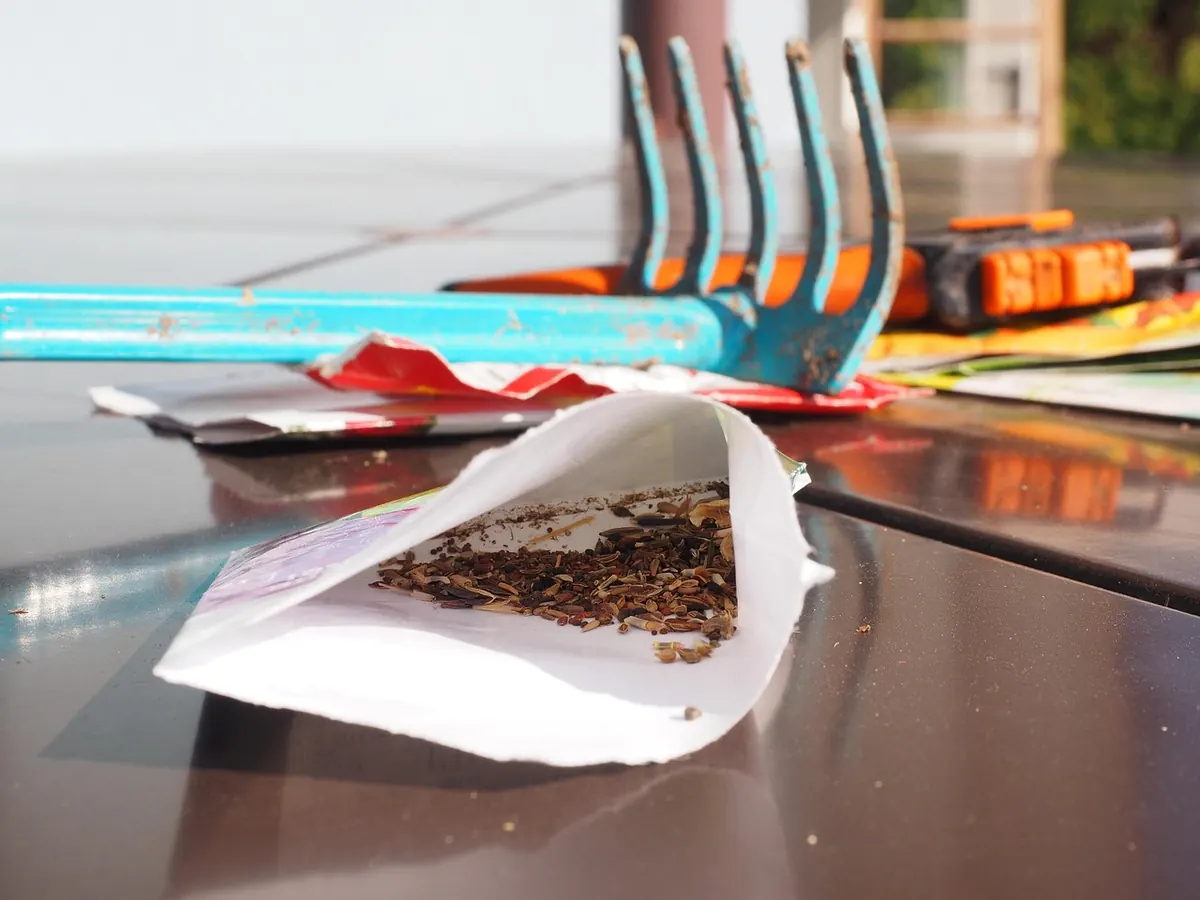
An allotment trowel does more work than almost anything else in the shed. It lifts lettuce seedlings, prises out dandelion roots, plants garlic cloves, works compost into a planting hole and scrapes clay off your boots. Buy carelessly and you will be replacing it by autumn. Buy well and it will still be going when the shed needs a new roof. Two decisions matter more than the rest: the steel the blade is made from, and the handle you will be gripping hundreds of times a season.
Stainless steel is an alloy with chromium worked into it, and that chromium is what keeps rust at bay. For anyone digging heavy clay, working through a wet winter, or leaving tools in a damp shed, that resistance is worth a great deal. Soil slides off a stainless blade instead of clinging, so cleaning takes seconds rather than a scrubbing session. It also keeps its shine, which sounds like vanity until you notice how much easier it is to spot a bright trowel lying in the grass.
Some plot holders find stainless blades a fraction softer than carbon and needing sharpening a little more often. In practice, that difference is minor for digging and planting. Stainless costs more up front, and that is the honest trade-off: you pay for corrosion resistance and easy cleaning, not for the keenest possible edge.
Carbon steel takes a finer edge and holds it longer. A well-sharpened carbon blade will slice through a dock root or cut a neat circle around a seedling, and the metal is generally tougher, so it resists bending when you lever a stone out of the way. Many experienced plot holders prefer it for exactly those reasons.
The catch is rust. Carbon steel will flash orange overnight if it goes away wet, and a trowel left in the ground over winter will come back pitted and rough. It wants wiping dry after every session and a thin film of oil before it goes back on the hook. If you enjoy that ritual, carbon is a pleasure to own. If your tools live in a bucket by the door and get cleaned when somebody remembers, stainless will serve you better.
A rusty trowel is not scrap, by the way. Scrub it with wire wool, sharpen the edge, oil it, and it will carry on working. Rust is a maintenance problem, not a death sentence.
Look at where the blade meets the handle, because that is where cheap trowels fail. A forged trowel is stamped from a single piece of steel and shaped under pressure. It is stronger, heavier and pricier, and the transition from blade to tang is one continuous piece of metal. A pressed, or stamped, trowel is cut from flat sheet, which makes it lighter and cheaper but easier to bend backwards when you use it as a lever.
The tang is the metal spike running into the handle. A full tang runs the length of the grip and is the sturdiest arrangement. Shorter tangs are usually fixed with a ferrule and a rivet or a socket, and these can work loose with heavy use. Give a new trowel a tug in the shop if you can. Any wobble now becomes a broken tool later.
You will grip this handle far more often than you expect, and an uncomfortable one turns a pleasant morning into a chore.
Whatever the material, check the size. A handle that is too thin forces you to clench; one that is too fat tires your forearm. If your hands are small, a child's or a narrow-handled trowel is not a compromise, it is simply the right fit.
Width and depth matter as much as the steel. A narrow transplanting trowel, perhaps two or three centimetres across, slips between seedlings and makes a slot for leeks without disturbing neighbours. A standard blade of roughly six to eight centimetres is the all-rounder for planting, weeding and digging out stones. A wide scoop trowel shifts compost and moves soil quickly when you are filling pots or earthing up.
Depth markings stamped on the blade are genuinely useful when you are planting at a consistent level across a row. A forked or notched tip helps with tap-rooted weeds, gripping the root instead of slicing it. If your plot is stony, choose a shorter, broader blade with a strong forged tang; long narrow blades bend against stones.
If bending and kneeling leave you stiff, a long-handled trowel or a kneeler with side handles takes pressure off your back and knees. Worth considering before the season starts rather than halfway through it.
For most allotments, a forged stainless steel trowel with a full tang and an ash or rubber handle is the safe, long-lasting choice. It shrugs off wet clay, cleans up quickly and forgives the odd night left out in the rain. Choose carbon steel if you enjoy sharpening, want the keenest edge for cutting roots and weeding, and will genuinely dry and oil your tools after use.
Buy one good trowel rather than three cheap ones, and add a narrow transplanting trowel later if you grow a lot from seed. Handle a few in person if you can: the right trowel should feel balanced in your hand, with no play between blade and grip. Get that right, and the trowel becomes the tool you reach for without thinking, season after season.
Photo: Hans / Pixabay