Trending

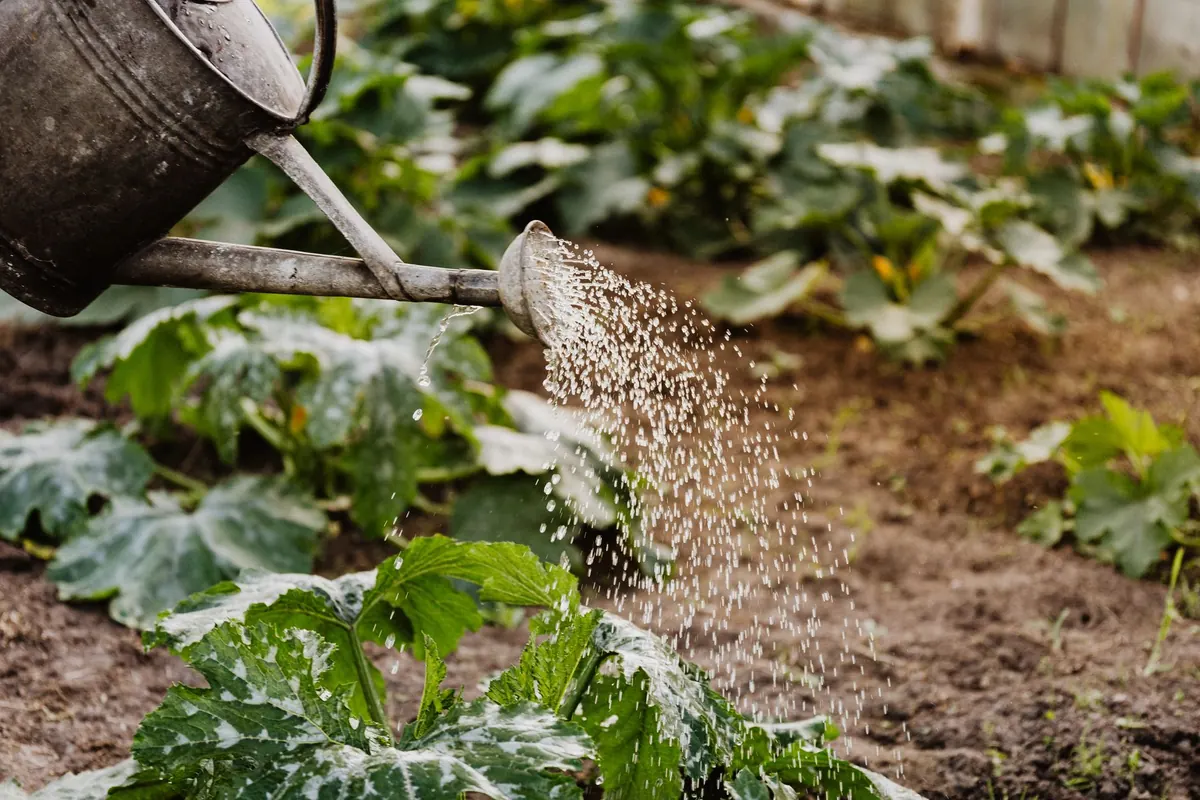
Three weeks without rain and the plot tells you quickly which plants are struggling. Courgette leaves droop by mid-afternoon, runner beans drop their flowers, and the soil pulls away from the edges of the raised beds. The instinct is to reach for the hose every evening and give everything a quick sprinkle. That is usually the least useful thing you can do. Watering well in a dry spell is about getting a decent amount of water down to the roots and then keeping it there.
Most vegetable roots sit in the top 20–30cm of soil, and that is the layer you need to reach. A quick daily pass with a hose wets the top centimetre or two, which evaporates within hours and encourages roots to stay near the surface, exactly where they dry out fastest. You end up with plants that depend on you more, not less.
Deep watering does the opposite. Soak the ground until moisture has gone down 15–20cm, then leave it. The surface will dry and crack a little, but below it there is still damp soil, and roots will follow the water downwards. For most established crops in open ground, one thorough soak every three or four days in hot weather beats a daily flick. Seedlings and anything in a container are the exceptions.
As a rough guide, most vegetables want the equivalent of 2–3cm of rain a week while they are growing, rising during a heatwave. That is around 20 litres per square metre of bed. A standard watering can holds roughly 9–10 litres, so a square metre of thirsty bed wants two or three cans a week, delivered in one or two goes rather than a daily trickle.
Not every crop needs the same treatment. If water is short, prioritise:
Mature herbs such as rosemary and thyme, established fruit bushes and big courgettes in open ground will ride out a short dry spell far better than a tray of lettuce.
Water early in the morning if you can. The soil is cool, there is less wind, and plants have the day to take water up before the heat arrives. Evening is the next best option, but water the soil rather than the leaves, because foliage that stays wet overnight invites mildew.
Aim low and slow. A can with the spout near the ground, or a hose on a gentle setting, delivers water where it is needed instead of across the leaves. Water around the root zone, a hand's width from the stem, not directly against it. Then check: push a finger about 5cm into the soil. If it is dry at that depth, the watering was not deep enough.
Bare soil in July loses moisture fast. A 5–8cm layer of compost, straw, leafmould or dried grass clippings over damp ground slows evaporation, keeps soil temperature steadier and smothers the weeds that would otherwise compete for every drop. Put it down straight after watering, while the surface is already wet, and top it up through the summer.
Two smaller jobs help as well. Hoe off weeds while they are tiny, and break any hard crust that forms on the surface so water soaks in instead of running off.
Compost in a pot dries out far faster than garden soil, and a hot, breezy day can dry a tomato planter by lunchtime. Check containers daily in a heatwave, by pushing a finger in or lifting the pot to judge its weight. Water until it runs out of the drainage holes, wait a few minutes, then water again; dry compost can shrink away from the sides and let water run straight down the gap without wetting the rootball. If a pot has dried out completely, standing it in a bucket of water for half an hour is quicker than repeated watering.
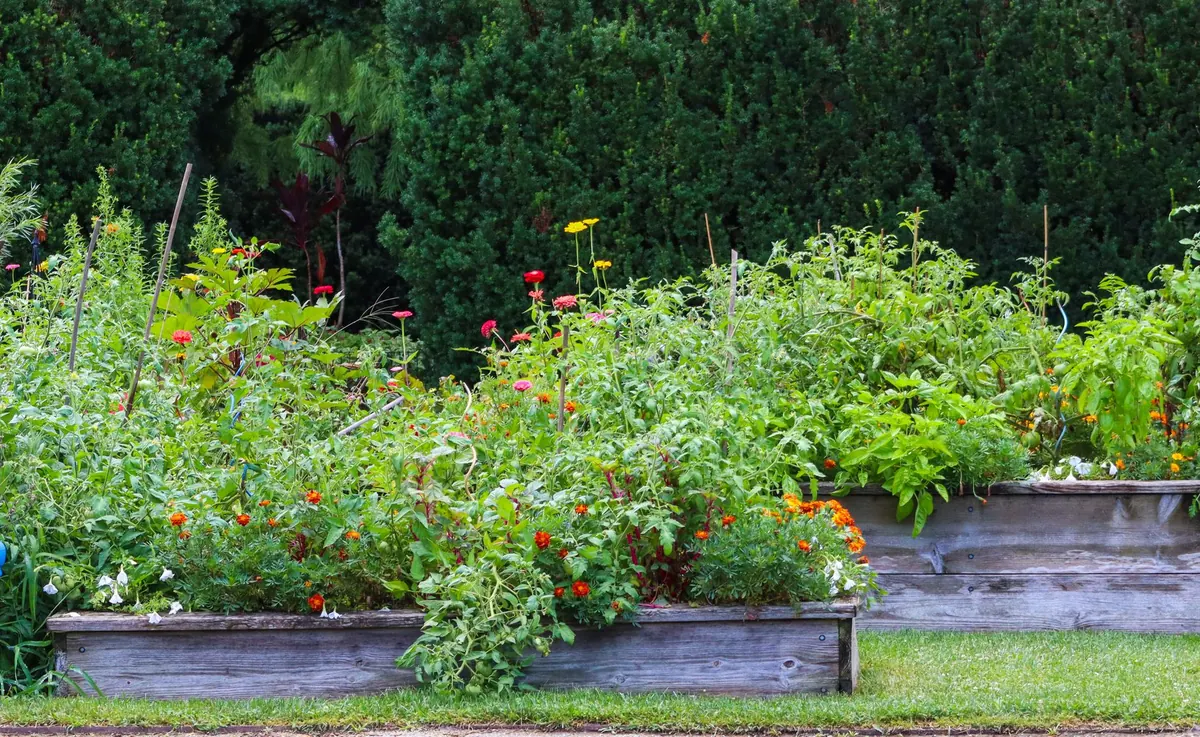
Group pots together so they shade each other, stand them on saucers or trays, and mulch the surface of large planters. Raised beds dry out more quickly than open ground too, particularly narrow ones with timber sides that bake in the sun, so treat them more like a big container than a patch of the plot.
Plants are fairly honest about thirst. A courgette that droops at midday and picks up by evening is usually managing. One that is still limp at dawn needs water now. Look for leaves curling or rolling inwards, a dull grey-green sheen, browning leaf edges on brassicas, and flowers dropping from beans, tomatoes and peppers before they set. Salad leaves and spinach run to seed, and cucumbers turn bitter.
Once plants are wilting badly, water in the evening and shade what you can with fleece or a sheet of card for a day or two. Avoid feeding a dry plant; water it first and let it recover, or the roots may be scorched.
Stored rainwater is worth using first, and cooled water from washing vegetables is fine on established plants. Dry spells pass, and a plot that has been watered deeply and mulched well comes through them with far less damage than one given a quick sprinkle every night.